Germany's Growing Demand for Healthcare Professionals: Opportunities for Doctors, Nurses, and Medical Graduates
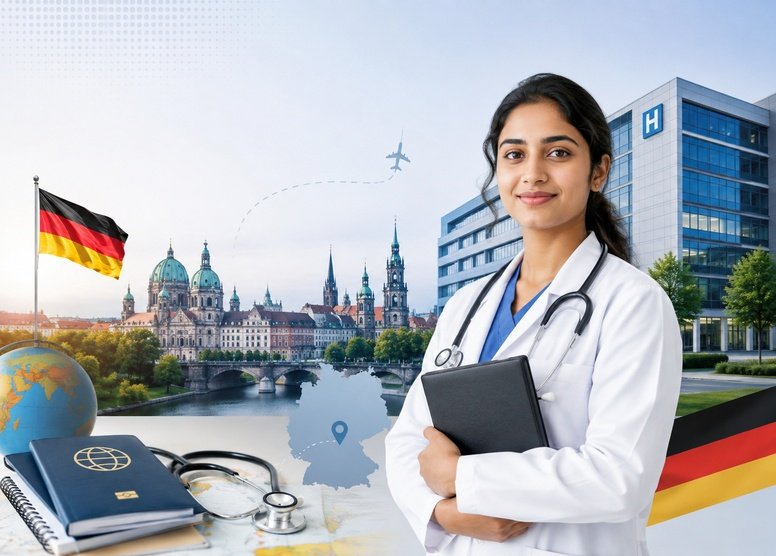
Germany has become one of the most attractive destinations for healthcare professionals seeking international career opportunities. With an ageing population, increasing healthcare needs, and a shortage of qualified medical staff, the country continues to welcome skilled professionals from around the world. For doctors, nurses, and medical graduates, this creates excellent career prospects, competitive salaries, and long-term professional growth. However, working in Germany requires proper planning, language proficiency, and an understanding of the licensing process. This guide explains why Germany needs healthcare professionals, the opportunities available, and the steps required to build a successful medical career there.
Why Is Germany Facing a Shortage of Healthcare Professionals?
Germany's healthcare system is among the strongest in Europe, but several factors have increased the demand for qualified professionals.
Some of the key reasons include:
- A rapidly ageing population requiring continuous medical care.
- Retirement of experienced healthcare workers.
- Expansion of hospitals, rehabilitation centres, and elderly care facilities.
- Increasing demand for specialised medical services.
- Growing investment in the healthcare sector.
According to industry reports, Germany requires thousands of additional healthcare professionals every year to maintain quality patient care.
Career Opportunities for Doctors in Germany
Doctors remain among the most sought-after professionals in Germany. Hospitals, private clinics, rehabilitation centres, and research institutions regularly recruit qualified international medical graduates.
Popular specialisations include:
- Internal Medicine
- General Surgery
- Orthopaedics
- Anaesthesiology
- Paediatrics
- Psychiatry
- Emergency Medicine
After obtaining the required medical licence (Approbation) and meeting language requirements, doctors can access excellent career growth, advanced medical technology, and structured training opportunities.
Nursing Careers in Germany
Germany also offers excellent opportunities for registered nurses. Hospitals and elderly care facilities actively recruit international nursing professionals to meet the growing demand.
Benefits of working as a nurse in Germany include:
- Stable employment opportunities
- Competitive salaries
- Paid leave and social security benefits
- Professional development programmes
- Safe and modern working environments
Nurses with recognised qualifications and sufficient German language skills can build rewarding long-term careers.
Opportunities for Medical Graduates
Recent medical graduates can also explore career pathways in Germany by completing the required recognition process and improving their German language proficiency.
Many graduates begin with:
- German language training
- Credential recognition
- Clinical adaptation programmes
- Medical licensing examinations
- Residency opportunities
Starting early allows graduates to prepare for a smoother transition into the German healthcare system.
Why Learning German Is Essential
Language proficiency is one of the most important requirements for healthcare professionals planning to work in Germany. Doctors and nurses interact with patients, colleagues, and hospital staff every day. Clear communication improves patient safety and helps professionals integrate into the workplace.
Most licensing authorities and employers expect candidates to demonstrate German language skills, often at the B2 or C1 level depending on the profession and state regulations.
Steps to Start Your Healthcare Career in Germany
Follow these steps to begin your journey:
- Complete your medical or nursing qualification.
- Learn German to the required proficiency level.
- Apply for qualification recognition.
- Prepare for licensing requirements where applicable.
- Apply for suitable healthcare positions.
- Complete visa and relocation formalities.
Proper planning can significantly reduce delays during the application process.
Conclusion
Germany continues to offer outstanding career opportunities for doctors, nurses, and medical graduates because of its increasing healthcare workforce demand. While the journey requires dedication, language preparation, and professional recognition, the long-term benefits include career stability, international exposure, and excellent professional development. For individuals planning to build a healthcare career in Germany, VS German Language and Career Institute provides structured German language training and career guidance to help aspiring professionals prepare confidently for this rewarding international opportunity.