How Can Indian Dentists Build a Successful Career in Germany?
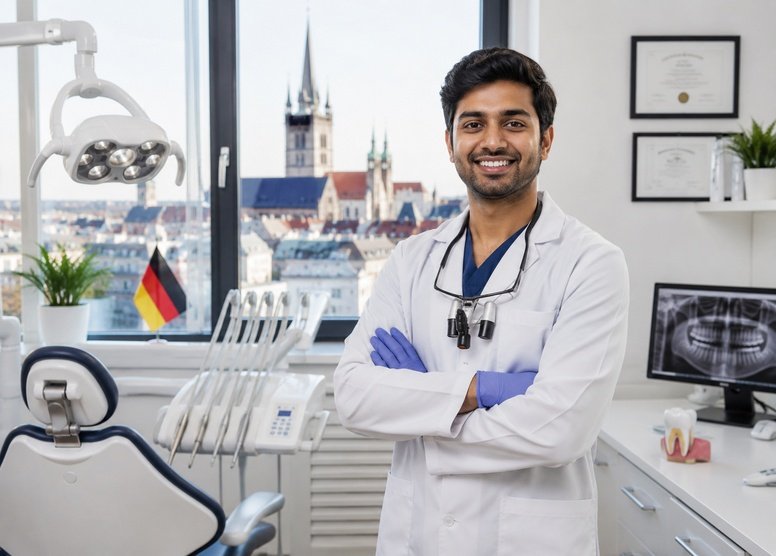
Germany has become one of the most preferred destinations for Indian healthcare professionals, including dentists. With an increasing demand for qualified dental experts, modern healthcare facilities, and attractive salaries, many Indian dentists are exploring career opportunities there. However, building a successful career in Germany requires more than just a dental degree. It involves understanding the licensing process, learning the German language, and adapting to the country's healthcare system. If you are an Indian dentist planning to work abroad, this guide will help you understand the complete journey and prepare for a rewarding professional future.
Why Germany Is a Great Destination for Indian Dentists
Germany is facing a shortage of healthcare professionals due to its ageing population and growing demand for quality dental care. This has created excellent opportunities for qualified international dentists.
Some key benefits include:
- High earning potential compared to many countries.
- Excellent work-life balance.
- Access to advanced dental technology.
- Strong employee rights and job security.
- Opportunities for career growth and specialization.
For Indian dentists, Germany offers both professional stability and long-term career development.
Educational Qualification Requirements
The first step is ensuring that your Bachelor of Dental Surgery (BDS) or equivalent qualification meets German standards. Your educational documents are evaluated by the relevant German authorities.
Depending on the assessment, you may:
- Receive direct recognition.
- Be asked to submit additional documents.
- Be required to pass a knowledge or equivalency examination.
Preparing your documents carefully can significantly speed up the recognition process.
Learn the German Language
Language is one of the most important requirements for practising dentistry in Germany. Since dentists interact directly with patients, strong communication skills are essential.
Most applicants are expected to achieve:
| Requirement | Recommended Level |
|---|---|
| General German | B2 Level |
| Medical/Dental German | C1 Level |
Learning medical terminology alongside everyday communication helps dentists perform confidently during licensing and patient consultations.
Obtain Professional Recognition and License
After language proficiency, the next step is obtaining permission to practise dentistry.
The process generally includes:
- Document verification.
- Qualification assessment.
- German language certification.
- Professional knowledge examination (if required).
- Receiving the German dental licence.
Licensing requirements may differ slightly between German federal states, so applicants should always verify the latest regulations.
Gain Practical Experience
Many dentists begin with internships, supervised practice, or assistant positions before securing permanent employment. These opportunities help candidates:
- Understand German clinical standards.
- Improve patient communication.
- Build confidence.
- Develop professional networks.
Practical experience also strengthens future job applications.
Understand the German Healthcare System
A successful dental career involves more than clinical skills. Dentists should understand:
- Patient rights and ethical responsibilities.
- Medical documentation standards.
- Health insurance procedures.
- Infection control regulations.
- Digital record management.
Familiarity with these areas helps professionals adapt more quickly to German workplaces.
Career Opportunities for Indian Dentists
Qualified dentists can work in several settings, including:
- Private dental clinics.
- Multi-speciality healthcare centres.
- Government hospitals.
- University hospitals.
- Research and academic institutions.
With experience, dentists may also pursue advanced specialisations or eventually establish their own dental practice, subject to German regulations.
Tips for Building a Successful Career
To improve your chances of success:
- Start learning German as early as possible.
- Keep all educational documents properly translated and certified.
- Stay updated with licensing requirements.
- Build professional communication skills.
- Network with healthcare professionals already working in Germany.
- Be patient throughout the recognition process.
A well-planned approach makes the transition smoother and increases employment opportunities.
Conclusion
Germany offers excellent career prospects for Indian dentists who are willing to invest time in language learning, professional recognition, and understanding the country's healthcare system. Although the process requires dedication, the long-term rewards include career stability, professional growth, international exposure, and financial security. Careful preparation at every stage can help transform your dream of practising dentistry in Germany into reality.
If you are planning to begin your journey towards a dental career in Germany, VS German Language and Career Institute provides structured German language training and career guidance to help aspiring healthcare professionals prepare for the opportunities ahead.