
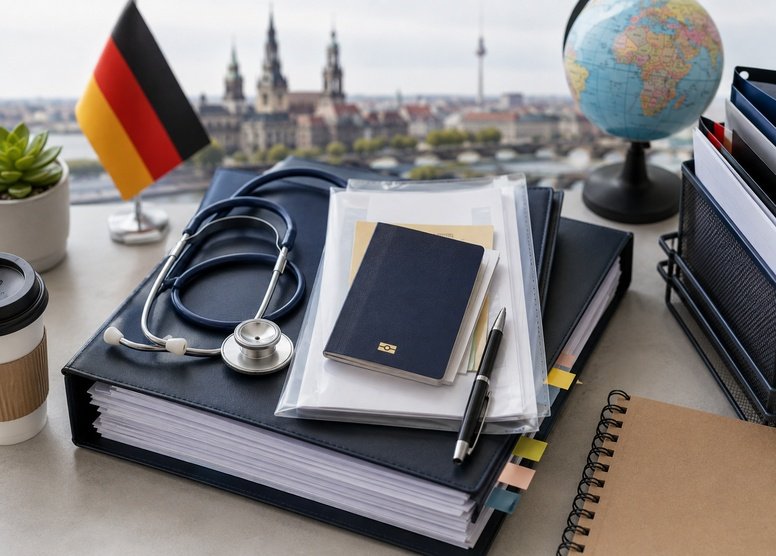
PG in Germany for Indian Doctors: Everything You Need to Know Before Applying
For many medical graduates, pursuing a PG in Germany for Indian doctors has become an attractive career option. Germany offers high-quality medical training, modern hospitals, internationally recognized qualifications, and excellent career opportunities. Unlike many countries, medical specialization in Germany is completed through paid residency, allowing doctors to earn while they learn. However, the journey requires careful planning, language proficiency, and a clear understanding of the licensing process. If you are considering this path, knowing the complete process beforehand can help you prepare confidently and avoid unnecessary delays.
Why Choose PG in Germany for Indian Doctors?
Germany has one of the strongest healthcare systems in Europe. Every year, hospitals recruit qualified international doctors to meet the growing demand for healthcare professionals. This creates excellent opportunities for Indian MBBS graduates who are willing to learn the language and complete the required formalities.
Some major advantages include:
- Paid medical residency programs
- Globally recognized specialist qualifications
- Modern healthcare infrastructure
- Excellent work-life balance
- Long-term career growth opportunities
- Opportunity to settle and work in Germany
Eligibility for PG in Germany
Before applying for a PG in Germany for Indian doctors, candidates should meet certain requirements.
Basic Eligibility
- MBBS degree from a recognized medical institution
- Medical registration in India
- Academic transcripts and internship completion certificate
- Valid passport
- Required German language proficiency
- Documents translated according to German requirements when applicable
Each German state may have slightly different documentation requirements, so applicants should verify the latest guidelines before applying.
German Language Requirement
Language is one of the most important parts of the application process.
Doctors generally need:
- B2 level German for daily communication
- C1 Medical German for professional medical practice
Strong language skills help doctors communicate effectively with patients, colleagues, and hospital staff while also improving employment opportunities.
Medical License Process
Indian doctors cannot directly start residency after reaching Germany. They first need permission to practice.
The licensing process generally includes:
- Document verification
- Qualification assessment
- German language certification
- Medical licensing requirements as per the respective German state
- Hospital applications and interviews
The exact procedure varies depending on the federal state where the doctor applies.
How to Apply for Medical Residency
Once licensing requirements are completed or are in progress, candidates can begin applying to hospitals.
The application usually includes:
- Professional CV
- Motivation letter
- Educational documents
- Medical registration certificates
- Language certificates
- Work experience, if available
Hospitals conduct interviews before offering residency positions.
Salary During PG in Germany
One of the biggest advantages of a PG in Germany for Indian doctors is that residency is a paid training program.
Although salaries vary depending on the hospital, experience, and region, resident doctors generally receive competitive monthly salaries along with employee benefits, paid leave, health insurance, and opportunities for career advancement.
Challenges Indian Doctors Should Know
Moving to another country always comes with adjustments. Some common challenges include:
- Learning German fluently
- Understanding the German healthcare system
- Document verification timelines
- Cultural adaptation
- Preparing for licensing requirements
Proper planning and early preparation can make the transition much smoother.
Tips for a Successful Application
To improve your chances of success:
- Start learning German as early as possible.
- Organize all academic documents in advance.
- Build a professional medical CV.
- Stay updated with licensing requirements.
- Apply to multiple hospitals instead of relying on one option.
- Prepare thoroughly for interviews.
Early preparation often shortens the overall application timeline.
Conclusion
A PG in Germany for Indian doctors offers an excellent opportunity to receive world-class specialist training while building a rewarding international medical career. Although the process involves language learning, documentation, and licensing, thousands of Indian doctors have successfully completed the journey through proper preparation and consistent effort. Understanding every step before applying helps reduce uncertainty and allows candidates to plan their medical careers with confidence.
If you are planning your medical career in Germany, VS German Language and Career Institute provides structured German language training and guidance to help aspiring doctors prepare for the language requirements and understand the overall pathway toward medical specialization in Germany.